
Paper Weight & Card Stock Guide
How Paper Thickness, Finish, and Feel Impact Print Quality and Perception
If you have ever held two business cards in your hand and instantly felt that one was “better,” you were reacting to paper weight.
Before color.
Before design.
Before typography.
Paper weight and thickness quietly shape perception in a way most people do not consciously analyze. But they absolutely feel it.
This guide is built for marketing teams, designers, small business owners, procurement managers, and anyone responsible for ordering print materials that represent their brand.
We are going to break this down in plain language. No filler words. No confusing jargon. Just real explanations of what paper weight means, how thickness is measured, and how to choose the right stock for the job.
What Paper Weight Actually Means
Paper weight is not as straightforward as it sounds.
In the United States, paper weight is typically expressed in pounds, such as:
-
80 lb text
-
100 lb text
-
80 lb cover
-
100 lb cover
-
130 lb cover
Here is where people get confused.
An 80 lb text stock and an 80 lb cover stock are not the same thickness.
That is because “text” and “cover” are two different paper categories. They are measured differently based on the size of the parent sheet used in manufacturing.
The simplest way to think about it:
-
Text weight is typically used for interior pages.
-
Cover weight is thicker and used for things like business cards, postcards, and brochure covers.
If you compare 80 lb text to 80 lb cover side by side, the cover stock will feel noticeably thicker.
Need quick conversions? Use our free Paper Weight Conversion Tool.
Text Weight vs Cover Weight
Understanding this distinction saves a lot of headaches.
Text Weight Paper
Text stock is what you typically use for:
-
Book interior pages
-
Brochures
-
Flyers
-
Letterheads
-
Catalog interiors
Common text weights include:
-
70 lb text
-
80 lb text
-
100 lb text
An 80 lb text stock is thicker than standard copy paper, but it still bends easily.
If you are printing a multipage booklet, text stock is almost always what you want for the inside pages.
Cover Weight Paper
Cover stock is thicker and more rigid.
Common cover weights include:
-
80 lb cover
-
100 lb cover
-
130 lb cover
-
16 pt cover
Cover stock is typically used for:
-
Business cards
-
Postcards
-
Presentation folders
-
Brochure covers
-
Rack cards
When you want durability and a more substantial feel, cover stock is the right category.
What Does “PT” Mean?
You will sometimes see thickness listed in points, like:
-
14 pt
-
16 pt
-
18 pt
“PT” stands for points, and one point equals one thousandth of an inch.
So:
-
14 pt = 0.014 inches thick
-
16 pt = 0.016 inches thick
Business cards are commonly printed on 14 pt or 16 pt stock.
A 16 pt card feels noticeably sturdier than a 14 pt card. It is not a huge difference visually, but in your hand it absolutely feels more solid.
If your brand positioning leans premium, thickness plays a role in that perception.
GSM Explained
Outside the United States, paper weight is commonly measured in GSM.
GSM stands for grams per square meter.
Unlike the pound system, GSM is consistent across paper types.
For example:
-
80 GSM is lightweight paper
-
150 GSM is similar to a light card stock
-
300 GSM is heavy card stock
If you work with international suppliers or design teams, GSM is often easier to compare because it does not depend on paper category.
Coated vs Uncoated Paper
Thickness is only part of the story.
The finish of the paper dramatically affects the look and feel.
Coated Paper
Coated stock has a smooth surface layer that enhances print sharpness and color vibrancy.
Types include:
-
Gloss
-
Matte
-
Silk
Coated paper is ideal for:
-
Photo-heavy brochures
-
Product catalogs
-
Marketing postcards
Colors appear richer and images look sharper.
However, coated stock is not ideal for writing with certain pens unless specifically designed for it.
Uncoated Paper
Uncoated paper has a more natural texture.
It is commonly used for:
-
Letterhead
-
Notepads
-
Stationery
-
Premium minimalist business cards
Uncoated stock feels softer and more organic.
Brands that want an approachable, understated feel often prefer uncoated paper.
It absorbs ink slightly more, which softens color compared to glossy coated stocks.
How Paper Weight Affects Brand Perception
This part matters more than most people realize.
Paper weight communicates:
-
Stability
-
Professionalism
-
Budget constraints
-
Premium positioning
A thin business card can subconsciously suggest cost cutting.
A thicker card suggests permanence and confidence.
The same applies to brochures and presentation materials. A heavier cover stock signals intention and quality.
It does not mean you must always choose the thickest option available. It means your paper choice should match your brand strategy.
Choosing the Right Paper for Common Print Projects
Let’s make this practical.
Business Cards
-
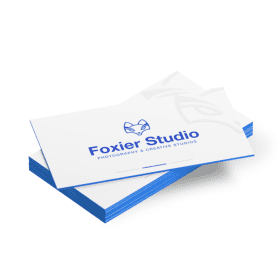
14 pt is standard
-
16 pt feels premium
-
18 pt or layered stocks feel luxury
If you want a solid, professional feel without overdoing it, 16 pt is often a strong choice. For standard 14 pt and 16 pt options, see our business card printing specifications
Brochures
-
80 lb text for interior panels
-
100 lb text for a slightly more substantial feel
-
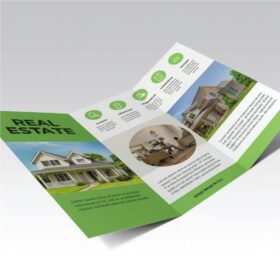
80 lb or 100 lb cover for tri-fold brochures
If the brochure is image-heavy, coated stock enhances print quality.
Booklets and Catalogs
-
70 lb or 80 lb text for interior pages
-
100 lb cover for front and back
- 80lb text cover when a self-covering solution is needed. A great way to have more of a magazine type feel.
Heavier interior stock increases durability but also increases cost and bulk.
Balance is important. See our booklet printing specifications.
Postcards
-
14 pt or thicker
-
Coated stock for vibrant marketing pieces
Postcards are handled frequently, so durability matters.
Paper Thickness and Mailing Considerations
One thing many people forget is mailing regulations.
Heavier paper increases weight.
That affects:
-
Postage costs
-
Bulk mail eligibility
-
Automation compatibility
If you are printing thousands of mail pieces, the difference between 80 lb and 100 lb stock can significantly impact shipping and mailing expenses.
Always consider distribution method when choosing stock.
Environmental Considerations
Paper choice also intersects with sustainability goals.
You may want to consider:
-
Recycled content
-
FSC certification
-
Post-consumer waste percentage
Heavier paper uses more material, so there is a balance between durability and environmental footprint.
Many modern stocks offer high recycled content without sacrificing print quality.
Common Mistakes When Choosing Paper
Choosing Based on Price Alone
Thinner stock might save money upfront, but it may not support your brand perception.
Ignoring Finish
Glossy paper may not align with a minimalist brand.
Uncoated paper may not reproduce photographs the way you expect.
Overcomplicating the Decision
Not every project needs the thickest or most exotic stock available.
Match the material to the purpose.
A Simple Decision Framework
When choosing paper, ask:
-
What is the purpose of this piece?
-
How long will it be used?
-
Will it be handled frequently?
-
Does it need to feel premium?
-
Is it being mailed?
-
Does it need to be written on?
-
What impression should it leave?
Answering those questions usually narrows your choices quickly.
Why This Matters More Than Most People Think
Print is tactile.
Unlike digital media, people physically interact with it.
Paper weight, finish, and thickness create subconscious impressions that reinforce your message.
You can have brilliant design work. But if the material feels flimsy, the overall perception drops.
When paper and design align, the result feels intentional.
That is the difference between something that looks printed and something that feels crafted.
Final Thoughts
Paper weight is not just a technical specification. It is part of your communication strategy.
Understanding the difference between text and cover stock, points and pounds, coated and uncoated finishes allows you to make informed decisions instead of guessing.
Whether you are ordering business cards, brochures, catalogs, or presentation materials, paper selection plays a real role in how your message is received.
Take the time to choose intentionally.
Your audience will feel the difference even if they never consciously articulate why.


 Business Cards