


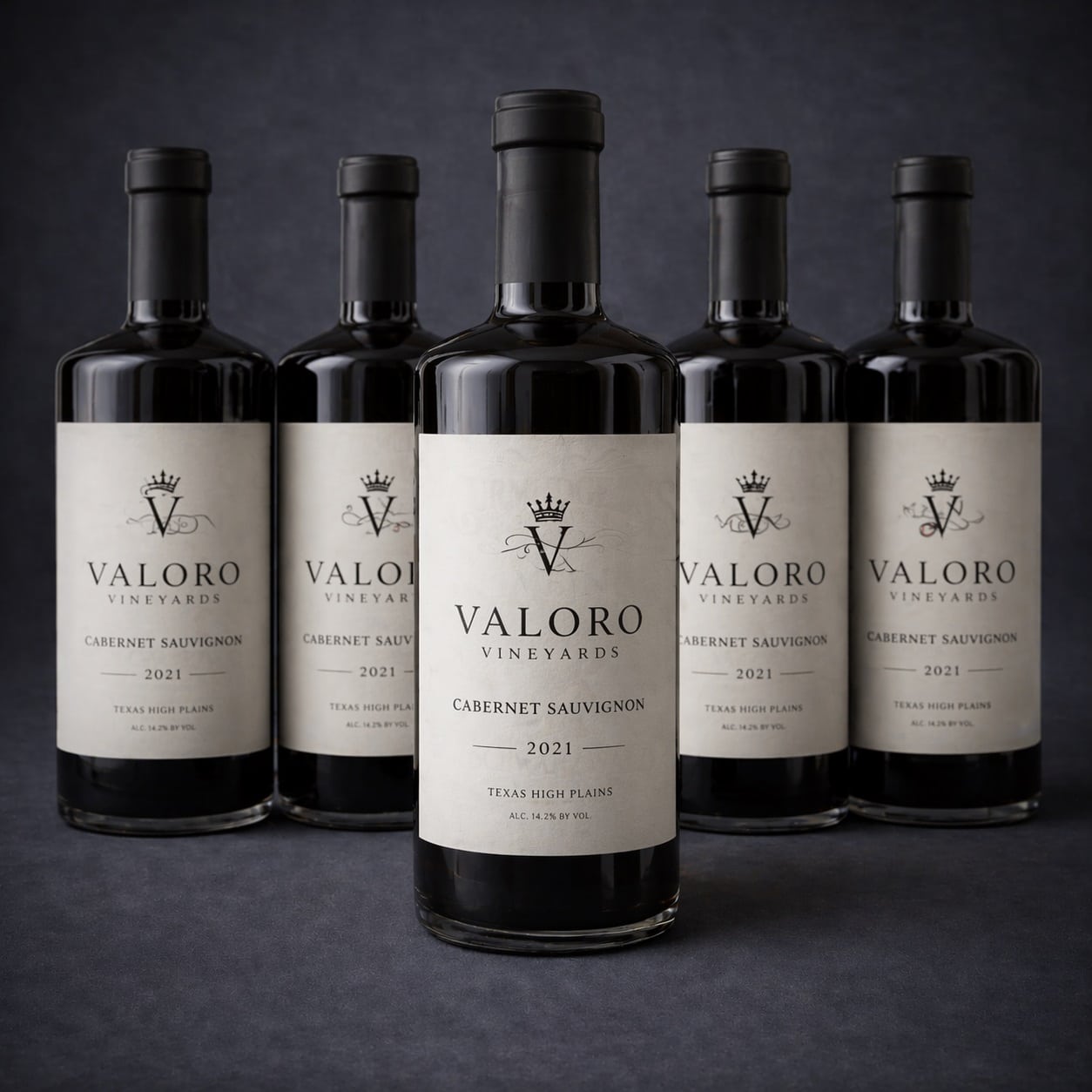
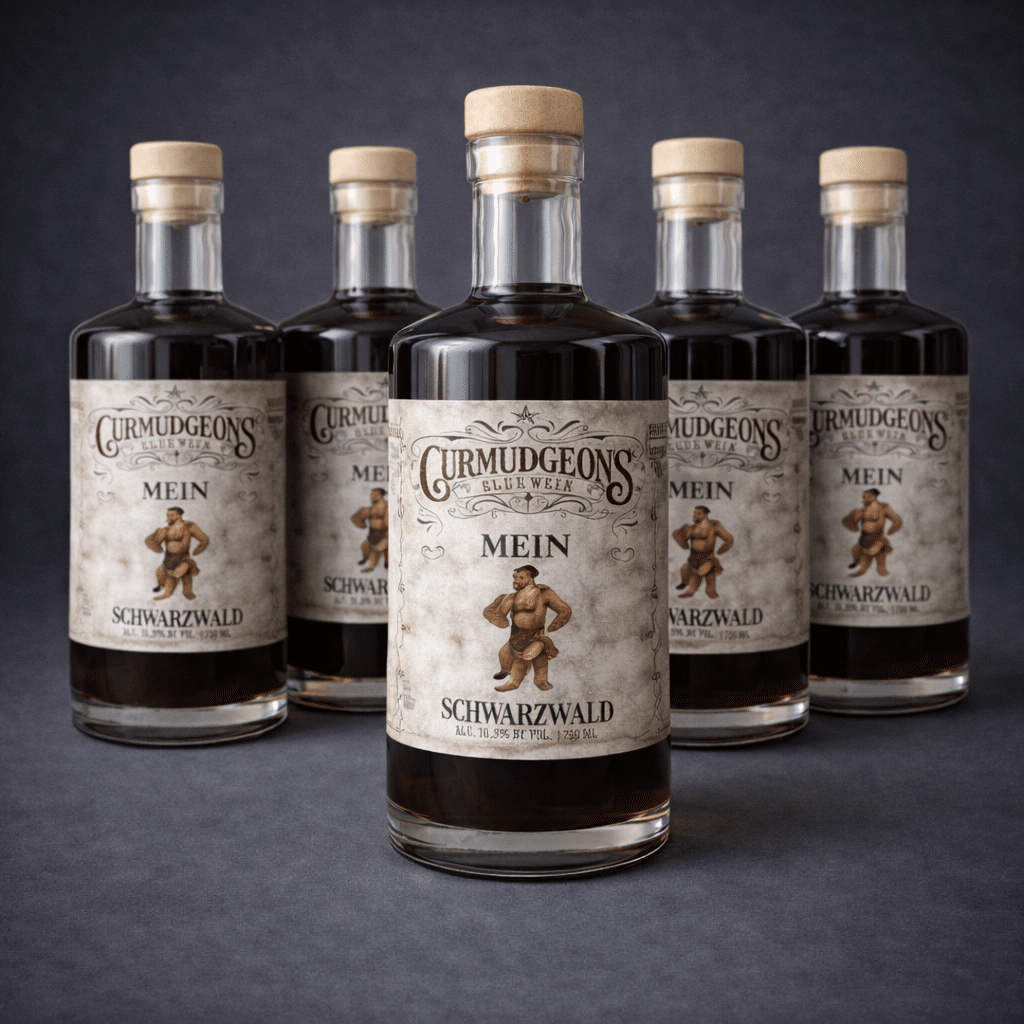


Wine Label Printing That Holds Up in Ice, Refrigeration, and Handling
$25.00
Built for clean application, strong adhesion, and consistent results across every run.
Wine labels have to go on clean, stay in place, and look the same from the first bottle to the last.
Material, adhesive, and print consistency all matter here. If one of those is off, it shows up fast once the bottles are handled, chilled, or moved through production. That’s why wine label printing needs to be approached differently than standard product labels.
We print labels that are built for glass, curved surfaces, and real storage conditions. The goal is simple: clean application, no shifting, no edge issues, and no surprises once the bottles are in use.
You’re not just trying to get something that looks good on a sheet or roll. You need labels that hold their shape, keep their finish, and represent your brand.
Wine Label Printing For Wineries In Texas and Nationwide
Wine labels are part of the product. They are handled, stored, chilled, and displayed long before the bottle is ever opened. Because of that, they need to do more than just look good on a proof.
Wine label printing requires tight control over material, adhesive, and print consistency. If any one of those is off, it shows up once the labels are applied and the bottles move through normal use. That is where a lot of label issues come from.
We print wine labels with the end use in mind. Clean application on glass, consistent color from run to run, and materials that hold up in refrigeration and handling. The result is a label that looks the same on the shelf as it did when it came off the press.
Materials for Wine Label Printing
Material selection plays a major role in how a label performs once it is on the bottle. What works for a dry, room-temperature product does not always work for wine.
Wine bottles are often stored cold, exposed to condensation, or placed in ice. Some materials handle that well. Others don’t.
Paper stocks can look great, especially for traditional or premium designs, but they need the right coating and adhesive to prevent softening or edge lift. Film materials like BOPP are more stable and are commonly used when moisture resistance and durability are priorities.
We help match the material to how the bottle will actually be used, not just how the label looks on screen.
Common Material Options
Matte White BOPP
A smooth, non-reflective film that holds up well in cold and damp conditions. This is one of the most consistent options for wine label printing.
Satin or Semi-Gloss BOPP
Adds a slight sheen without becoming overly glossy. Colors appear a bit richer while still maintaining control over reflections.
High Gloss BOPP
A brighter, more polished look. Works well when shelf visibility and contrast are important.
Textured Estate Papers
Used for premium presentation. These stocks have a tactile feel and are often chosen for higher-end wines. They require the correct adhesive setup to perform well.
Linen and Laid Papers
Subtle texture that adds depth without overpowering the design. Common for traditional or heritage-style labels.
Kraft Paper
Uncoated and natural in appearance. Often used for small-batch or rustic branding.
Material choice affects more than appearance. It influences how the label applies, how it reacts to moisture, and how it holds up over time.
Adhesives and Application
Even a well-printed label can cause problems if the adhesive is not right for the job.
Wine bottles are curved, often slightly tapered, and frequently exposed to temperature changes. That combination makes adhesion more demanding than most packaging applications.
We use adhesives selected for:
- Cold storage and refrigeration
- Moisture and condensation
- Glass surfaces
- Consistent application, whether by hand or machine
This helps prevent common issues like edge lift, air pockets, and labels shifting during application.
If labels are being applied on automated equipment, we also account for how they feed and release. Proper setup here keeps production running smoothly and avoids wasted labels.
Consistency Across Runs
Wine labels are rarely printed once and forgotten. New vintages, updated designs, and smaller production runs are common.
Consistency across those runs matters. Small differences in color, finish, or material stand out when bottles are grouped together.
We maintain repeatable production standards so reorders match previous runs as closely as possible. Same material, same color targets, and the same overall look.
That way, additional batches blend in with what is already on the shelf instead of standing out.
Built for Handling and Storage
Wine labels are handled more than most printed products. They are picked up, turned, stored in coolers, and sometimes placed in ice.
That kind of use will expose weak materials or poor adhesive choices quickly.
We account for those conditions during production. Labels are printed and finished with the expectation that they will be exposed to moisture, temperature changes, and regular handling.
The goal is simple: labels that stay in place, keep their finish, and continue to look consistent from bottling through final use.
Complete Label Sets
Most wine bottles use more than one label. Keeping everything consistent across those pieces is important for the final presentation.
We produce:
- Front labels for branding
- Back labels for required information
- Neck labels or secondary elements when needed
Producing these together ensures color, material, and finish stay aligned across the entire bottle.
File Setup and Print Readiness
Good results start with proper file setup.
We work with:
- Print-ready artwork
- Existing files that need adjustment
- New designs that need to be prepared for production
File setup affects print clarity, alignment, and trimming. If something needs to be corrected before printing, we handle it up front so it does not become a production issue later.
Short Runs and Ongoing Production
Not every project requires large quantities. Many wineries need flexibility for smaller runs, seasonal releases, or updated designs.
We support:
- Short-run wine label printing
- Mid-size production runs
- Ongoing reorders with consistent output
This makes it easier to manage inventory without overcommitting to large quantities.
Request a Quote
Wine label printing is not one-size-fits-all. Size, material, quantity, and how the bottles will be used all affect the final setup.
Send over your label size, quantity, and any details about how the bottles will be stored or handled. If you already have a material in mind, include that as well.
We will review it, make sure everything is set up correctly, and provide a clear quote based on what will actually work for your application.
Related products

Labels & Stickers

Business Printing