



Branding, Graphic Design Tips, Print Marketing
Branding Design for New Businesses: From Concept to Print

Starting a new business means making a lot of decisions, often very quickly. Branding design is one of the most important ones, and it’s also one of the easiest to misunderstand.
Most new businesses focus heavily on their logo and website, which makes sense. That’s usually where everything starts. But a brand does not live only on a screen. It shows up everywhere customers interact with your business in the real world; business cards, flyers, signage, packaging, labels, and more.
Understanding how branding design moves from an idea into real, printed materials helps new businesses look professional, consistent, and confident right out of the gate.
What Is Branding Design?
Branding design is the complete visual identity of your business. It is not just your logo.
A strong brand includes your colors, fonts, layout styles, imagery, and the overall look and feel that shows up everywhere your business appears. All of those elements work together to create a consistent experience.
For a new business, branding design helps answer some basic but important questions:
-
How should this business look and feel?
-
What kind of impression should it leave?
-
How will people recognize it quickly?
When those answers are clear, even a brand-new business can feel established and trustworthy.
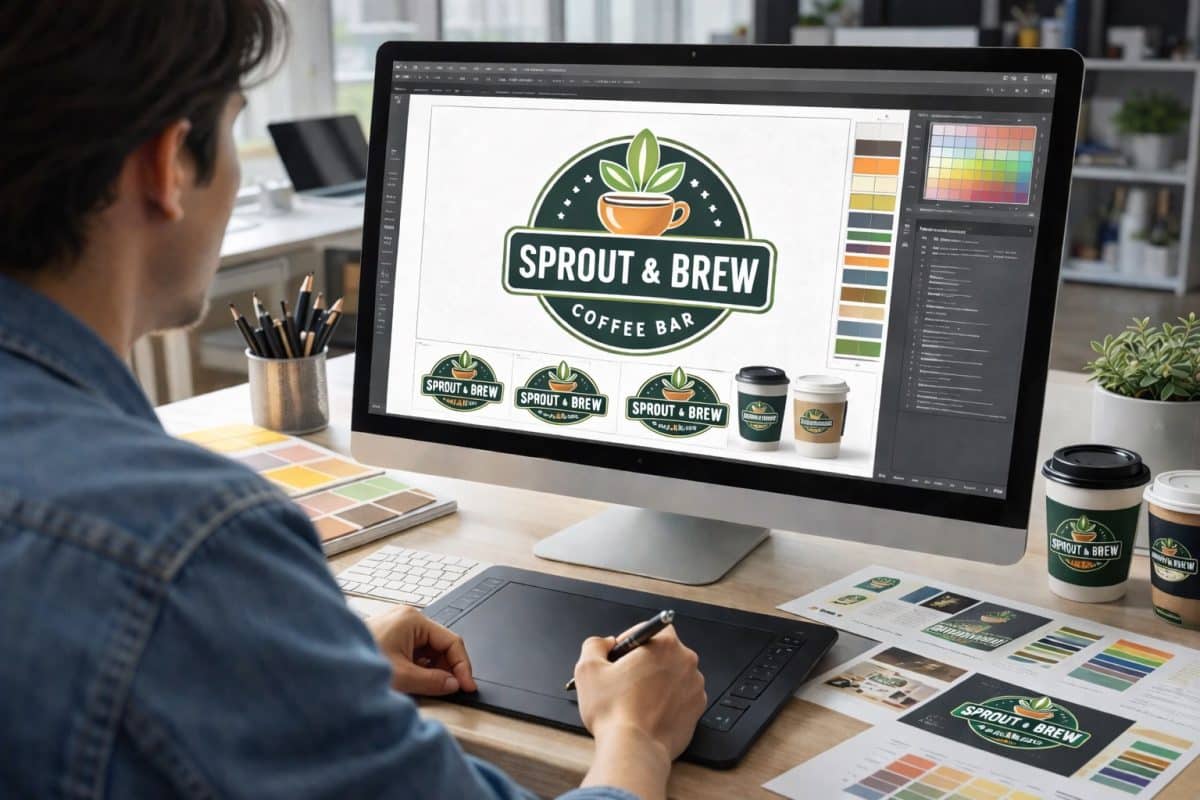
Branding Design Is a System, Not Just a Logo
One of the most common mistakes new businesses make is thinking branding is finished once the logo is done. In reality, the logo is only one part of a much larger system.
A solid brand system usually includes:
-
A primary logo and alternate versions
-
A defined color palette
-
Fonts and typography rules
-
Layout spacing and alignment
-
Image and graphic styles
-
A consistent visual tone
When all of these elements are used together, your brand looks intentional everywhere it appears, especially in print.
Where Branding Design Commonly Breaks Down
Most branding problems are not caused by bad design. They usually happen when print is not considered early enough.
Some common issues include:
-
Colors that look great on a screen but print poorly
-
Fonts that do not reproduce well on paper
-
Low-resolution logos used for large printed pieces
-
Inconsistent layouts across different materials
-
Paper or finishes that make the final piece feel cheap
These problems are avoidable. A strong brand system should be built with real-world printing in mind from the start.
How Branding Design Shows Up in Print
Print is where branding becomes real. People can hold it, feel it, and see it in everyday environments. That makes print a critical part of any branding effort.
Business Cards
Business cards are often the first physical impression of a business. Paper weight, finish, and color accuracy all matter. A well-made card quietly communicates professionalism and attention to detail.
Flyers and Brochures
Printed marketing materials need clean layouts, readable text, and consistent colors. When branding is done well, everything feels connected instead of thrown together.
Signage and Banners
Large-format printing magnifies everything. Low-quality files, poor resolution, or color inconsistencies become much more noticeable when designs are scaled up.
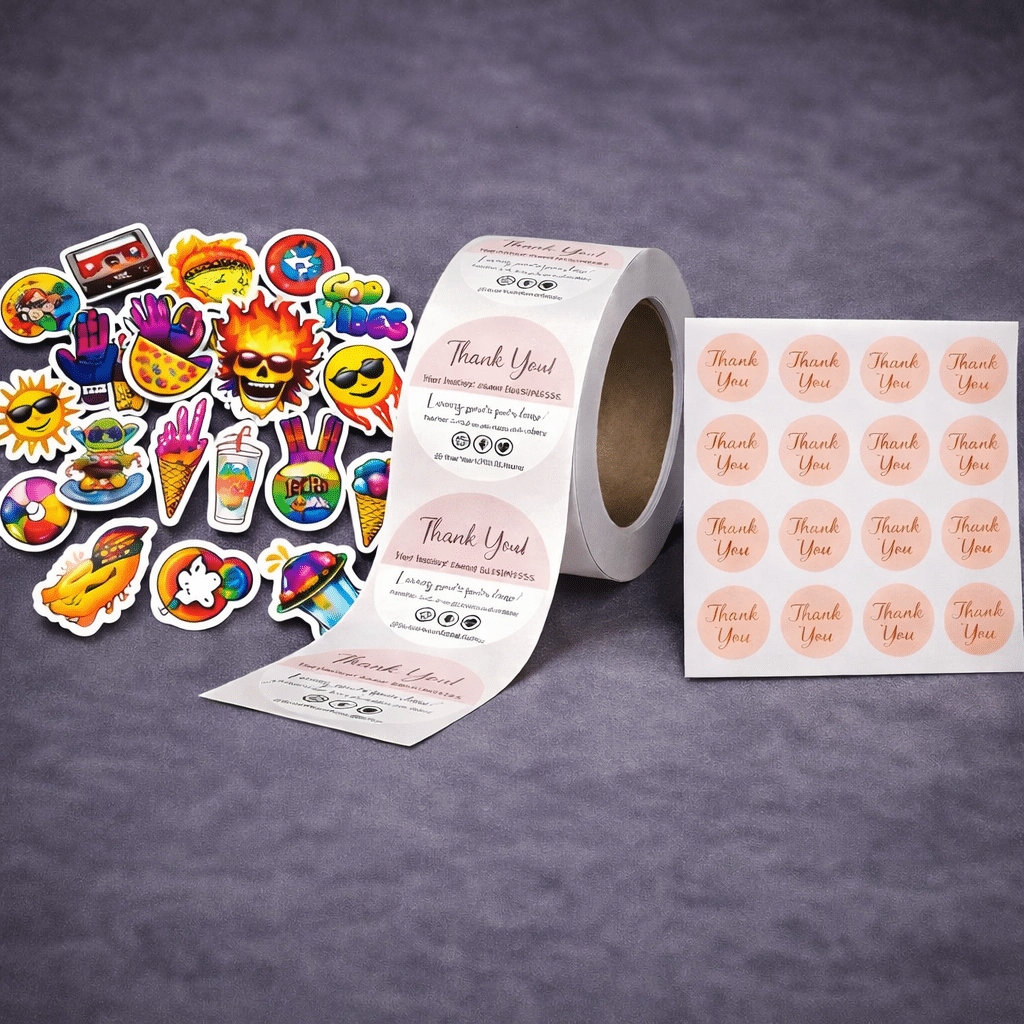
Stickers and Labels
Stickers can be excellent branding tools when done right. Proper sizing, finishes, and color control help them look intentional rather than rushed.
Why Printing Is Part of Branding Design, Not an Afterthought
A brand does not fully exist until it shows up in the real world. Print forces branding decisions to become final.
Some important print-related factors to think about early include:
-
Color accuracy; screens use RGB while printers use CMYK
-
Paper choice; glossy, matte, or textured stocks all feel different
-
Finishes; coatings and laminates affect durability and appearance
-
Consistency; every printed piece should feel like it belongs together
Brands that stay consistent across print build recognition faster and earn trust more easily.
Branding Design Tips for New Businesses
New businesses do not need complicated branding systems. They need smart, practical choices.
A few helpful guidelines:
-
Start simple; clean designs reproduce better
-
Choose colors that print reliably
-
Think beyond the logo and into real materials
-
Use professional, print-ready file formats
-
Plan for growth so branding scales easily
Thinking about print early helps avoid costly fixes and inconsistent results later.
Branding Design Builds Credibility
Customers often form opinions before they ever read a single word.
Consistent branding:
-
Makes a new business look established
-
Builds trust with customers
-
Improves brand recognition
-
Strengthens marketing efforts
-
Reduces confusion across materials
When branding design and print production work together, everything feels intentional instead of patched together.
Final Thoughts
Branding design is not just about how a business looks. It is about how it is experienced.
For new businesses, connecting design and print from the beginning helps create consistency, confidence, and credibility where it matters most; in the real world.
Frequently Asked Questions
What is branding design in simple terms?
Branding design is the visual system that represents your business. It includes your logo, colors, fonts, layouts, and how those elements are used consistently across digital and printed materials.
Is branding design the same as logo design?
No. A logo is only one part of branding design. Branding also includes how the logo is used, which colors and fonts support it, and how everything works together.
Why is branding so important for new businesses?
Branding design helps new businesses look professional and credible from the start. Consistent visuals build trust and make marketing more effective.
When should a new business think about print during their design phase for logos and identity?
Print should be considered early. Colors, fonts, layouts, and logos behave differently in print than they do on screens.
Why do colors look different in print than on screen?
Screens use RGB color, while printers use CMYK. Some bright screen colors cannot be reproduced exactly in print.
What printed materials should branding design cover first?
Most new businesses start with:
-
Flyers or brochures
-
Basic signage or banners
Can poor printing hurt a brand’s image?
Yes. Incorrect colors, flimsy paper, low-quality finishes, or inconsistent layouts can make a business appear unprofessional.
What file formats are best for designs and print?
Vector formats like PDF, AI, or EPS are best because they scale without losing quality.
Do new businesses need brand guidelines right away?
Even simple guidelines help. Basic rules for logo usage, colors, and fonts keep branding consistent over time.
How does professional printing support branding design?
Professional printing ensures accurate colors, proper materials, and consistent quality so branding translates correctly from concept to real-world materials.