



Print Marketing
Print Marketing for Businesses: Why Print Still Works in a Digital World

Many businesses today put almost all of their marketing energy into digital channels. Social media, email, paid ads, and websites dominate the conversation. With so much happening online, it is easy to assume that print marketing is outdated or no longer effective.
The reality is very different.
Print marketing is still one of the most effective ways for businesses to build trust, reinforce their brand, and stay top of mind. In fact, in a world saturated with digital content, printed materials often stand out more than ever.
This article explains what print marketing really is, why it continues to work, and how businesses can use it effectively alongside digital marketing.
What Is Print Marketing?
Print marketing refers to the use of physical printed materials to promote a business, communicate information, or reinforce a brand.
This includes items such as brochures, flyers, postcards, business cards, banners, booklets, signs, and direct mail pieces. These materials are designed to be held, seen, and interacted with in the real world.
Print marketing is not meant to replace digital marketing. Instead, it works best when it supports and enhances digital efforts.
Why Print Marketing Still Works
One of the biggest reasons print marketing remains effective is because it engages people differently than screens do.
Printed materials are tangible. You can hold them, flip through them, and place them somewhere visible. That physical presence creates a stronger connection than a digital ad that disappears with a scroll.
Print also feels more intentional. When someone receives a well-designed printed piece, it signals effort and professionalism. That perception alone can increase trust in a business.
Another factor is attention. Digital content competes with endless distractions. Printed materials often receive more focused attention because they are not competing with notifications, pop-ups, or multiple tabs.
Print and Digital Are Better Together
Print marketing works best when it complements digital marketing rather than competing with it.
A printed flyer can drive traffic to a website. A postcard can promote a digital offer. A brochure can support a sales conversation that later continues by email. QR codes, URLs, and tracking tools make it easy to connect print to online activity.
Instead of asking whether print or digital is better, the better question is how they can work together.
The Psychology Behind Print Marketing
There is a psychological reason printed materials are effective.
Studies have shown that people tend to remember information better when it is presented in physical form. Printed materials often feel more credible and more permanent than digital content.
A printed piece also carries weight in decision-making. It signals that a business is established, prepared, and serious about its message. This matters especially in competitive markets where trust plays a big role.
Common Print Marketing Materials Businesses Use
Businesses use a wide range of printed materials depending on their goals.
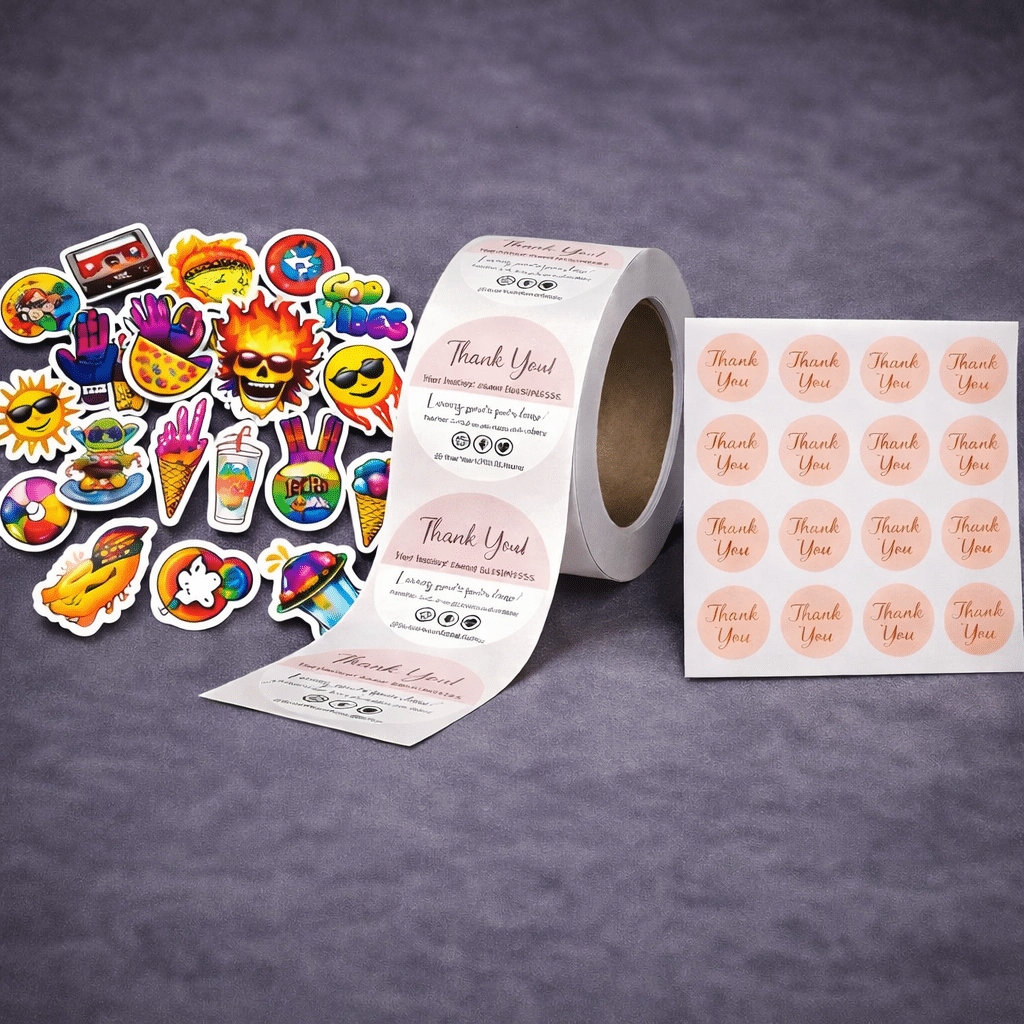
Business cards help establish professional connections. Brochures and booklets explain services in more detail. Flyers and postcards promote offers or events. Banners and signs create visibility in physical spaces. Stickers and branded materials reinforce recognition.
Each piece serves a different purpose, but all contribute to a consistent brand presence.
When Print Marketing Makes the Most Sense
Print marketing is especially effective in certain situations.
Local businesses benefit from physical visibility. Events and trade shows rely heavily on printed materials. Service-based businesses use print to build credibility during consultations. Retail environments use signage and printed displays to guide purchasing decisions.
Print is also valuable when a message needs to feel personal, thoughtful, or trustworthy.
How Print Marketing Supports Brand Consistency
Consistency is one of the most important elements of branding.
Printed materials help reinforce brand colors, typography, messaging, and tone in a controlled, tangible way. When print materials match a business’s digital presence, they strengthen recognition and credibility.
High-quality printing also reflects directly on brand perception. The paper choice, finish, and overall quality send a message about attention to detail and professionalism.
Common Print Marketing Mistakes Businesses Make
One common mistake is focusing on quantity over quality. Printing large volumes of low-quality materials often does more harm than good.
Another issue is unclear messaging. A printed piece should have a clear purpose and call to action. Without that, it becomes background noise.
Inconsistent branding, poor file setup, and rushed design choices can also reduce effectiveness. These issues are avoidable with proper planning.
How to Get Better Results from Print Marketing
Successful print marketing starts with clear goals.
Know who the piece is for and what it should accomplish. Choose formats and materials that support that goal. Design with print in mind rather than relying on screen appearance alone.
Working with a professional printer helps ensure files are prepared correctly, materials are appropriate, and the final product meets expectations.
Final Thoughts
Print marketing is not outdated. It is simply underused and often misunderstood.
In a digital-heavy world, printed materials offer something different. They create physical presence, build trust, and reinforce brand credibility in ways screens cannot.
When used intentionally and paired with digital marketing, print remains a powerful tool for businesses of all sizes.
Understanding how and when to use print marketing allows businesses to stand out, connect more effectively, and make a lasting impression.
Frequently Asked Questions About Print Marketing
Does print marketing still work for businesses today?
Yes. Print marketing continues to be effective, especially when paired with digital marketing. Printed materials stand out in a digital-heavy environment, create stronger brand recall, and often feel more credible than online ads alone.
What types of businesses benefit most from print marketing?
Local businesses, service providers, retailers, and companies that attend events or trade shows often see strong results from print marketing. Any business that relies on trust, visibility, or in-person interaction can benefit from printed materials.
Is print marketing better than digital marketing?
Print marketing is not better or worse than digital marketing. They serve different purposes and work best together. Print helps reinforce credibility and memory, while digital marketing provides speed, reach, and tracking.
What print materials are most effective for marketing?
The most effective materials depend on the goal. Business cards support networking, brochures and booklets explain services, postcards and flyers promote offers, and banners and signage improve visibility in physical spaces.
How do printed materials help build trust?
Printed materials signal effort and professionalism. A well-designed printed piece suggests that a business is established, prepared, and serious about its message, which can increase trust with potential customers.
Is print marketing expensive?
Print marketing can be very cost-effective when planned properly. Choosing the right format, quantity, and materials helps control costs while maximizing impact. Quality and strategy matter more than volume.
How can print marketing support online campaigns?
Print materials can drive people to websites, landing pages, or social media using URLs or QR codes. This allows print to support digital campaigns rather than compete with them.
How long do print marketing materials remain effective?
Printed materials often last much longer than digital ads. A brochure, postcard, or sign can remain visible for weeks or months, continuing to deliver value long after it is printed.
What mistakes should businesses avoid with print marketing?
Common mistakes include unclear messaging, poor design, low-quality printing, inconsistent branding, and using print without a clear goal. Planning and professional production help avoid these issues.
Should businesses work with a professional printer?
Working with a professional printer helps ensure proper file setup, material selection, and consistent quality. This reduces errors, delays, and unexpected results while improving the overall effectiveness of print marketing.